
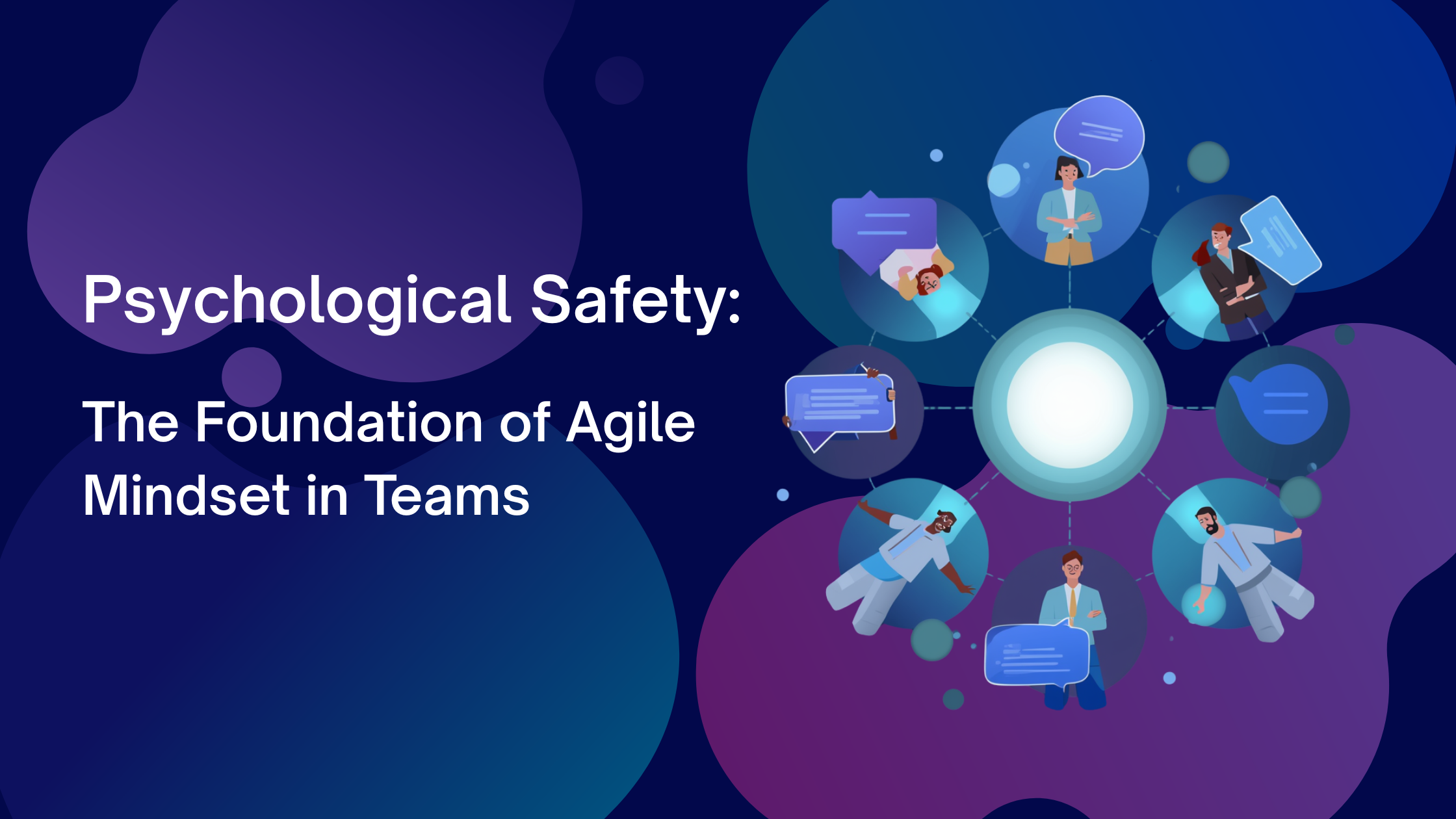
Psychological Safety: The Foundation of Agile Mindset in Teams
Psychological safety is what separates teams that simply follow agile practices from those that truly learn and improve. When people don’t feel safe to speak up, challenge ideas, or admit mistakes, feedback disappears and growth slows down. This article explores what psychological safety really looks like in agile teams and how small, everyday behaviours can create an environment where learning and improvement can thrive.
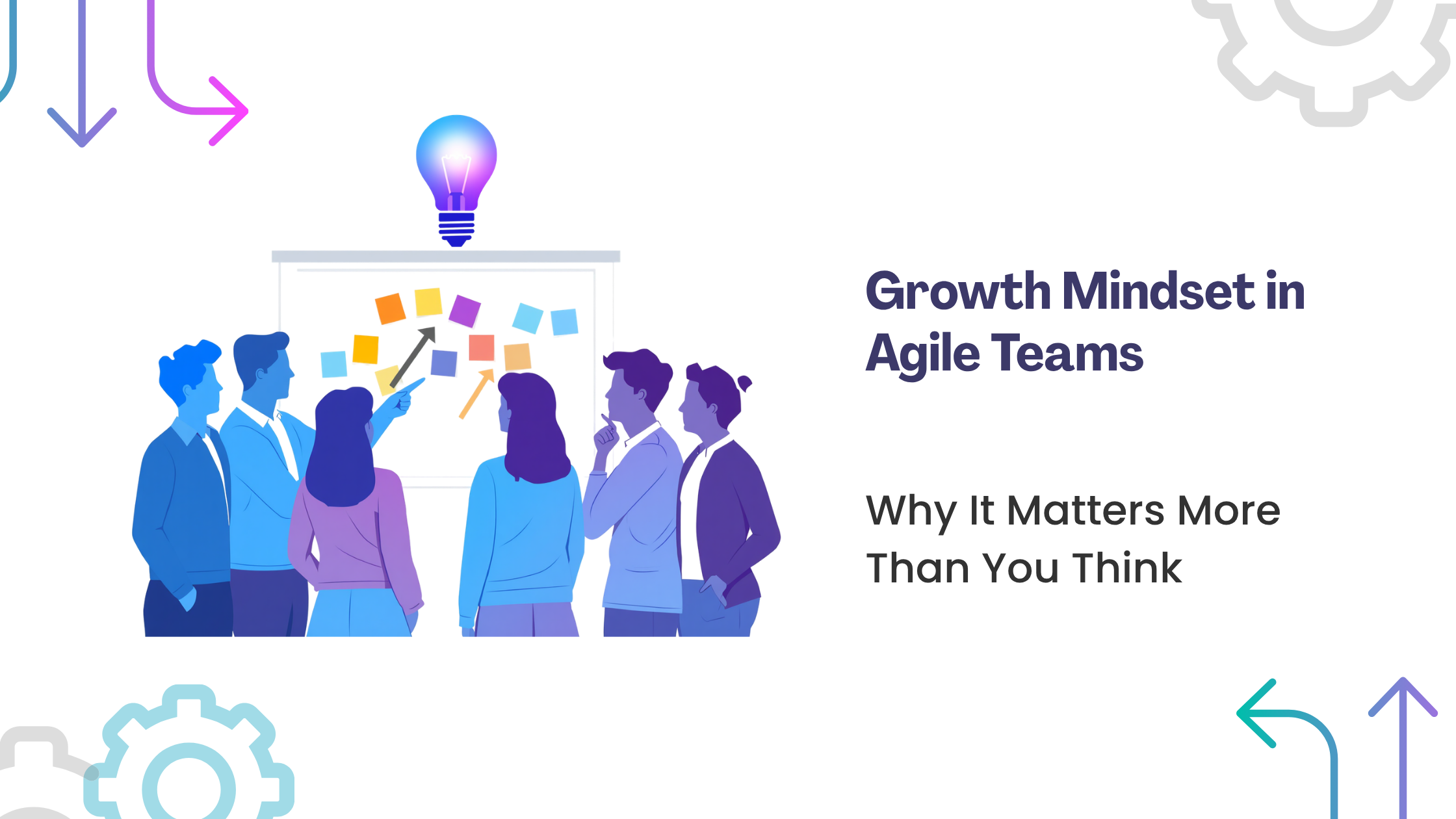
Growth Mindset in Agile Teams: Why It Matters More Than You Think
Growth mindset is often misunderstood as simply “staying positive” or “learning from mistakes.” But in agile teams, it shows up in something much more concrete: how people behave when things go wrong. This article explores what growth mindset really looks like in practice—especially under pressure—and how teams can build it through self-awareness, purpose, emotional control, and everyday interactions.

Stop Running Boring Retrospectives: 7 Agile Facilitation Techniques That Actually Work
Most agile meetings fail not because of the team - but because of how they’re facilitated. If your retrospectives feel repetitive, dominated by a few voices, or lead to little real change, the issue is likely the format, not the people. In this article, you’ll discover seven practical facilitation techniques that help create better conversations, increase participation, and turn insights into meaningful action.

SAFe Certification Cost and ROI Explained
Is SAFe certification worth the cost? As more organisations adopt the Scaled Agile Framework, many practitioners are evaluating the investment in SAFe training and certification. This article explains the typical costs, what you gain from the training, and the potential return on investment for Agile professionals and organisations.

Why Becoming a SAFe Scrum Master Is a Smart Career Move in 2026
Becoming a SAFe Scrum Master is one of the smartest career moves for professionals who want to lead Agile teams and grow in modern organizations. In this article, we explore why the role is in high demand, the skills that make great Scrum Masters, and how SAFe certification can open the door to new career opportunities in 2026.

Why the Scaled Agile Framework (SAFe) Helps Organizations Successfully Scale Agile
The Scaled Agile Framework (SAFe) helps organisations successfully scale agile by providing a proven, structured approach that aligns strategy with execution across teams and portfolios. SAFe standardises roles, ceremonies and artefacts while preserving team autonomy, enabling consistent delivery cadence, reliable planning and predictable outcomes. It integrates lean and agile principles with systems thinking to manage dependencies, reduce bottlenecks and improve flow of value. Built‑in practices for continuous integration, DevOps and built-in metrics foster faster feedback, higher quality and measurable business impact. For organisations moving from isolated agile teams to enterprise‑level transformation, SAFe offers repeatable patterns, clear governance and practical guidance that drive alignment, transparency and sustainable improvement.